
With the increasing deterioration of the environment and the growing scarcity of resources, there are higher requirements for the treatment of urban construction waste. Processed urban construction waste can be used for many purposes, such as: building sand and gravel, non-fired bricks, sidewalk filler, sidewalk bricks, fuel recycling, and iron recovery. Against this backdrop, construction waste crushing stations, as a new type of environmentally friendly project, receive strong support and assistance from the government.
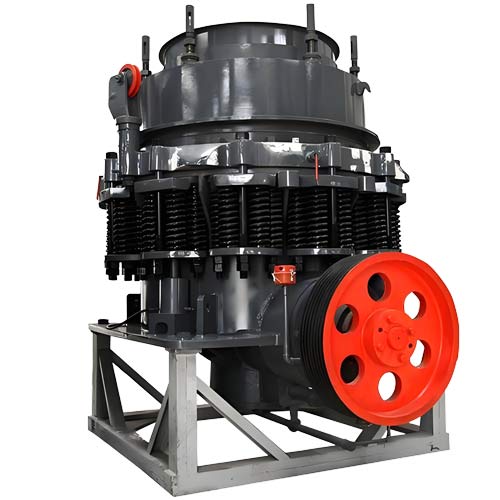
How to Reuse Construction Waste After Processing
Mobile construction waste crushing plants crush construction waste, and after sorting and removing impurities, most of it can be reused as recycled resources, making it a new type of environmentally friendly material. So, what are its applications? Please see the detailed introduction below.
1. Waste bamboo and wood can be used to manufacture artificial wood;
2. It can be used to make building materials such as blocks, paving bricks, and lattice bricks.
3. Waste bricks, stones, and concrete, after being crushed, can replace sand in masonry mortar, plastering mortar, and concrete subbases;
4. For example, waste steel bars, waste iron wires, waste electrical wires, and various waste steel fittings, after sorting, collection, and remelting, can be reprocessed into steel of various specifications.
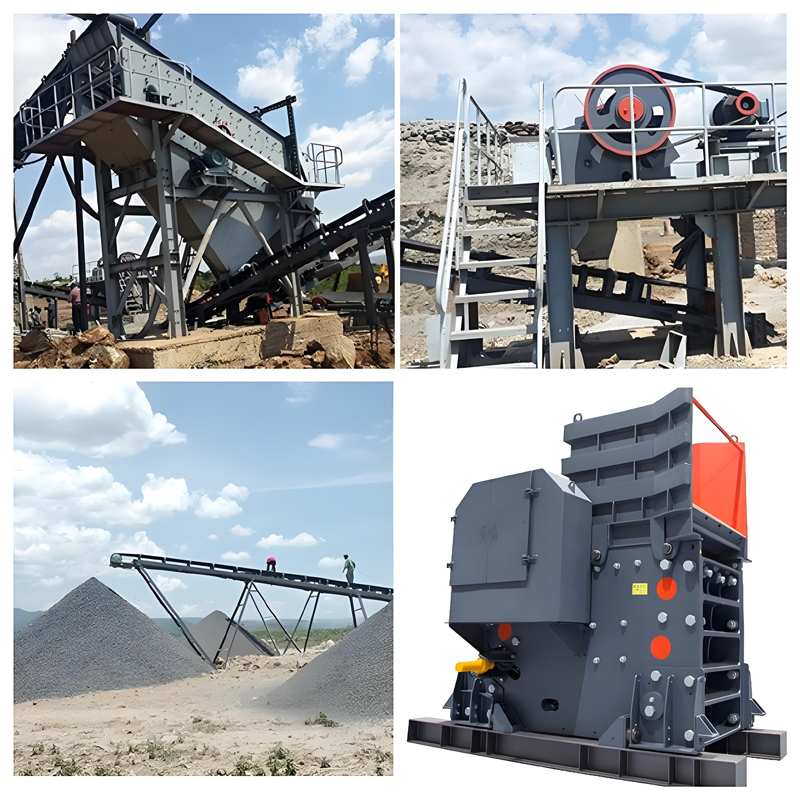
Should Construction Waste Crushing Plants Be Fixed or Mobile?
Which type of equipment is best for processing construction waste? The choice can be based on the characteristics of the construction waste.
For example, urban construction waste is mostly generated from building renovations and demolitions. Urban planning and construction are often divided into zones, meaning development speeds vary across areas. However, demolition doesn’t occur simultaneously. Therefore, using mobile crushing plants to process this construction waste is ideal.
Mobile crushing plants can be moved directly to another site after processing one, saving considerable time on infrastructure and dismantling. This provides a stable operating foundation for sand and gravel plants to generate profits. Therefore, mobile crushing plants are the best choice.
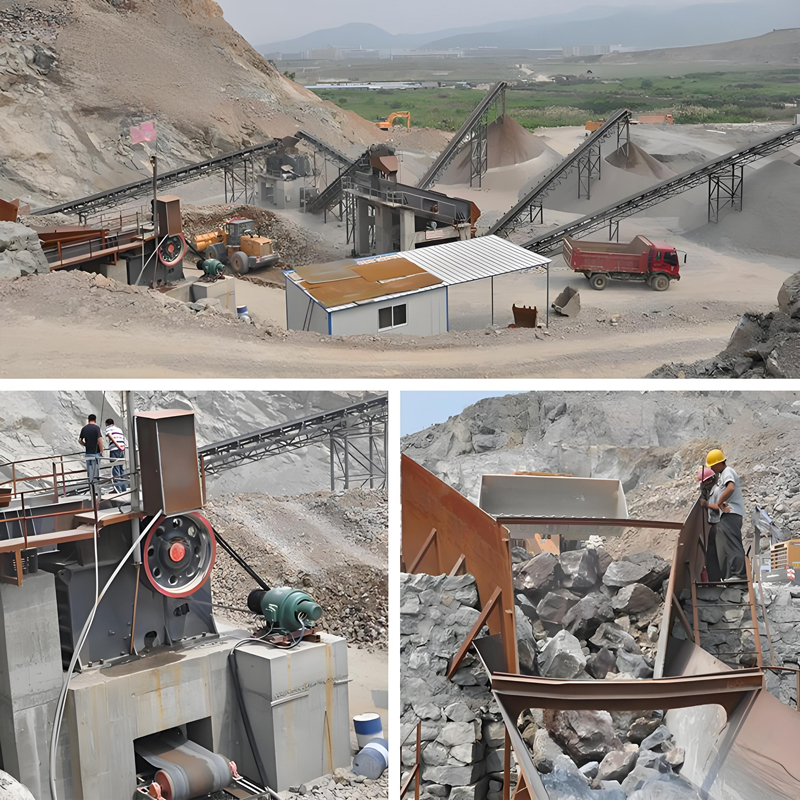
What should be considered when configuring environmentally friendly construction waste projects?
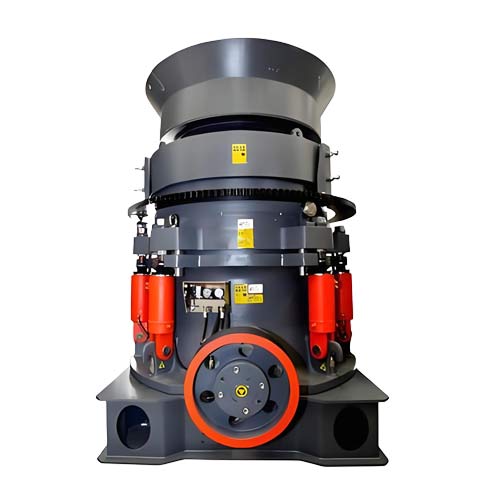
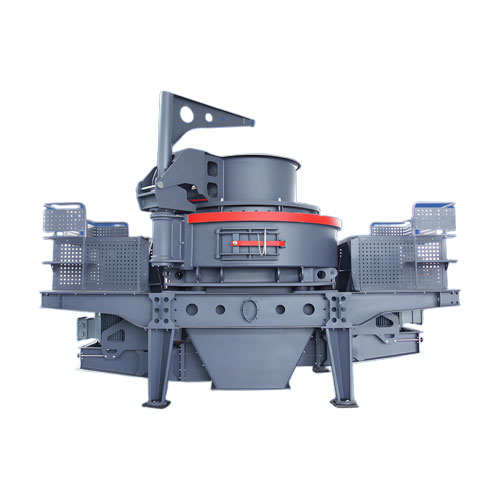
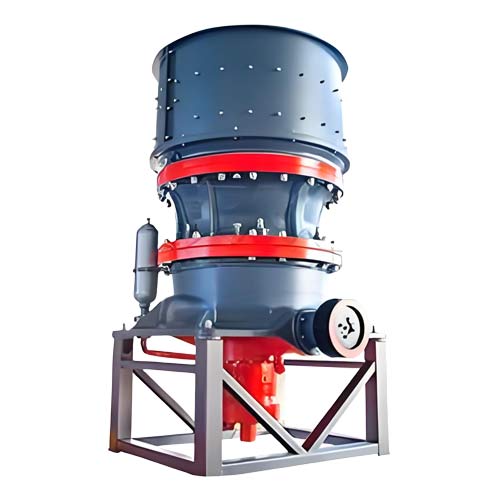
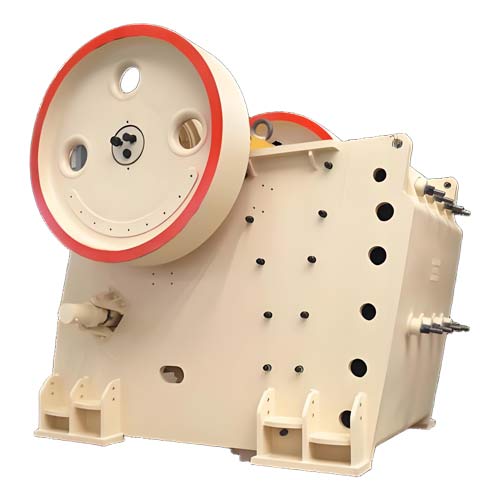
First, it’s crucial to understand the dimensions of the construction waste feed material and the proportions of different sizes. Because construction waste has varying properties, appropriate equipment should be selected based on the specific characteristics of the raw materials. For example, if the raw material is large, multi-stage crushing equipment can be used. For instance, a mobile jaw crusher can first crush the construction waste into smaller pieces, then send the crushed material to a mobile reverse crusher for secondary crushing until the material is crushed to the desired finished particle size.
Second, the crushing capacity and conveying capacity of the equipment at each stage should be consistent. Each stage of crushing equipment should have comparable output, and the conveyor belt’s conveying capacity and crushing speed should be consistent.
Social development and environmental changes have created favorable conditions for the healthy development of construction waste treatment equipment. Furthermore, investing in construction waste recycling has brought profits, leading to an increasing number of people investing in construction waste treatment plants to try this new environmentally friendly project. The crushing station, as an indispensable piece of equipment for processing construction waste, plays a vital role in promoting the resource utilization of construction waste.
Inquiry
Please leave us your requirements, we will contact you soon.