

Solutions for Rusting in the Feed Chute of a Cylindrical Dryer
What should I do if the feed chute of my cylindrical dryer is rusted? Xinshengrun Drying Equipment Network provides some solutions that we hope will be helpful.
If your dryer’s feed trough is made of iron, over time, the material drying process in a cylindrical dryer will cause it to rust to varying degrees due to corrosion from the material, air, and moisture. If not repaired promptly, this corrosion and weld failure will worsen over time, affecting the dryer’s normal operation.
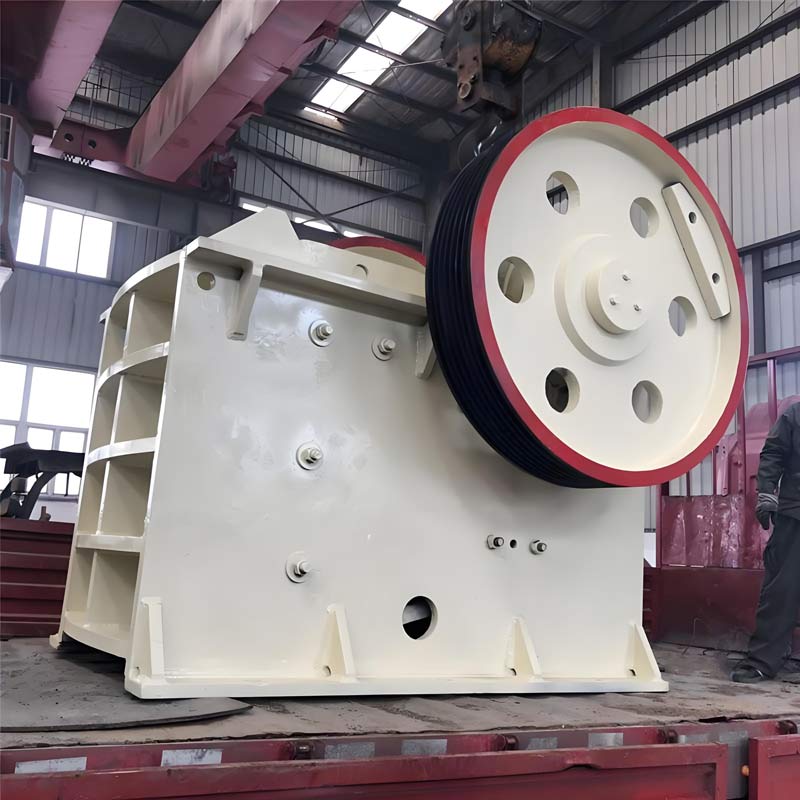
Our technicians typically address this issue by lining the dryer’s feed trough with refractory bricks. This method has been proven effective through practice and testing on various sizes of drying equipment.
Masonry materials: Generally, two types of refractory bricks are sufficient.
Construction Method: Taking a dryer with a Φ1000mm feed inlet as an example, the hole width can be 800mm, the hole height should be 2/3 of the feed inlet width, and the length should be measured from the dryer head. The bricklaying should begin when the dryer is rotating and the bricks are no longer in contact with the machine. Extend the hole pier approximately 800-1000mm towards the furnace, creating a small hole. Then, build a 300mm wide, 45° inclined groove at the center above this small hole. During production, connect the material conveyor to the groove at the top of the furnace using an iron pipe. The width, height, and length of the hole are determined by the size of the dryer’s feed inlet.
For details regarding the selection, design, and pricing of cylindrical dryers, please consult our online customer service. Xinshengrun will provide you with a complete production process and sincerely invites you to visit our factory to inspect the equipment.
Related Products
Inquiry
Please leave us your requirements, we will contact you soon.