

Overview of lithium tailings application fields and grinding equipment
Lithium tailings are transformed from waste into valuable resources. After grinding, they are widely used in cement, glass-ceramics, ceramics, and other fields, improving material performance while achieving resource recycling. Guilin Mining Machinery’s GKLM vertical mills and Raymond mills efficiently help recycle tailings resources and promote the development of green mining.
Abstract: Lithium tailings, a waste product generated during the lithium ore beneficiation process, possess potential resource value. Through appropriate grinding and processing, lithium tailings can be widely used in building materials, glass-ceramics, ceramics, and other fields, achieving resource recycling and environmental protection. This article systematically summarizes the application areas and commonly used grinding equipment for lithium tailings, providing a reference for related industries.
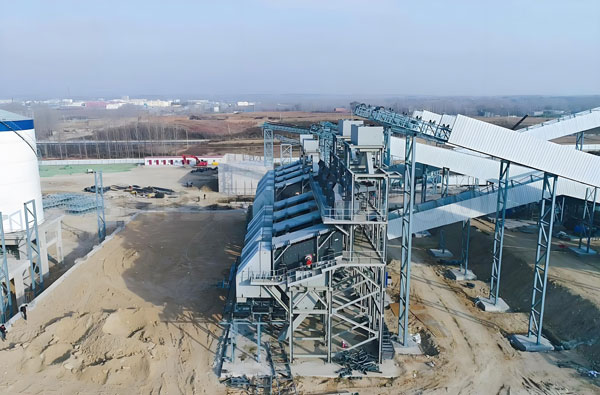
1. Application fields of lithium tailings
Lithium tailings are rich in active SiO₂, Al₂O₃ and other components. After grinding, they can be used as raw materials in many fields. The main application areas include:
1. Building materials
● Cement production: Lithium tailings can partially replace clay in cement clinker production, reducing the heat of cement hydration, increasing concrete strength, and improving the crack resistance of large-volume concrete. The appropriate replacement rate is typically kept below 20% to ensure the fluidity and mechanical properties of the cement mortar.
● Concrete admixture: Finely ground lithium tailings powder can be used as a mineral admixture to improve the durability and impermeability of concrete. It is especially suitable for high-grade concrete and special engineering needs.
2. Glass-ceramic production
● Low-expansion glass-ceramics (Li₂O-Al₂O₃-SiO₂ system): Lithium tailings can be used as the main raw material to produce high-temperature resistant, low-expansion glass-ceramics, which are used in astronomical telescopes, high-temperature electric light sources, laboratory heating equipment and other fields, combining environmental protection and economic benefits.
3. Ceramics and refractory materials
● Ceramic blanks: Lithium tailings can replace traditional ceramic raw materials. The lithium oxide component can improve the mechanical strength and thermal shock resistance of ceramics, making it suitable for the production of architectural decorative ceramics and industrial ceramics.
● Refractory materials: After high-temperature treatment, some lithium tailings can be used as additives for refractory bricks and kiln linings to improve the high-temperature stability of the materials.
4. Resource recovery and reuse
● Recovery of valuable metals: Through the flotation-magnetic separation-flotation process, useful components such as mica, feldspar, quartz, etc. can be recovered from lithium tailings, or valuable metals such as lithium, beryllium, tantalum and niobium can be further extracted to reduce resource waste.
● Secondary beneficiation for lithium extraction: For tailings with high lithium content, regrinding and re-selection technology can be used to recover residual lithium resources and extend the life of the mine.
5. Other potential applications
● Roadbed materials: Coarse-grained lithium tailings can be used as road base fillers to improve roadbed stability.
● Environmentally friendly materials: Some lithium tailings can be modified and used as wastewater treatment adsorbents or soil conditioners to adsorb heavy metals or adjust soil pH.
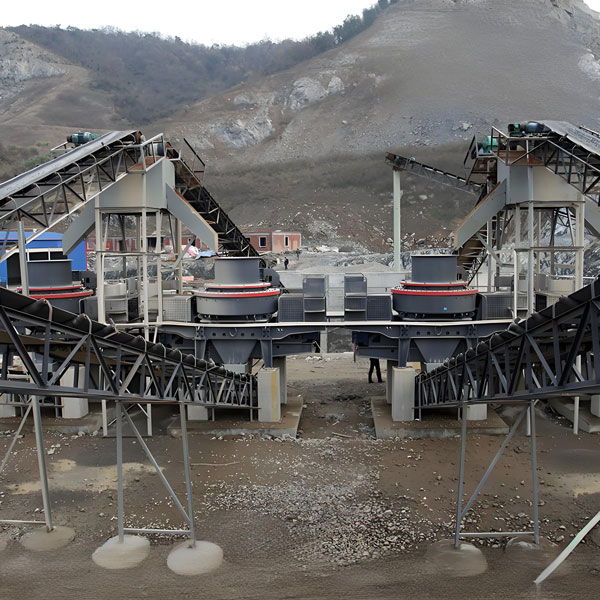
2. Lithium tailings grinding equipment
Grinding is a key step in the resource recovery of lithium tailings. It is necessary to refine the tailings particles to an appropriate particle size (usually 22-180μm) to release the active ingredients. Commonly used equipment includes:
1. GKLM vertical grinding mill
● It integrates crushing, drying, grinding, grading and conveying, is highly efficient and energy-saving, and is suitable for large-scale industrial grinding (capacity 1-240t/h). It is widely used in lithium tailings, cement, non-metallic minerals and other fields.
2. Raymond mill
● It adopts advanced grinding technology, suitable for fine powder processing of medium hardness materials, with low energy consumption and stable output, and is suitable for supporting processing of cement raw materials, limestone, etc.
3. Assistive devices
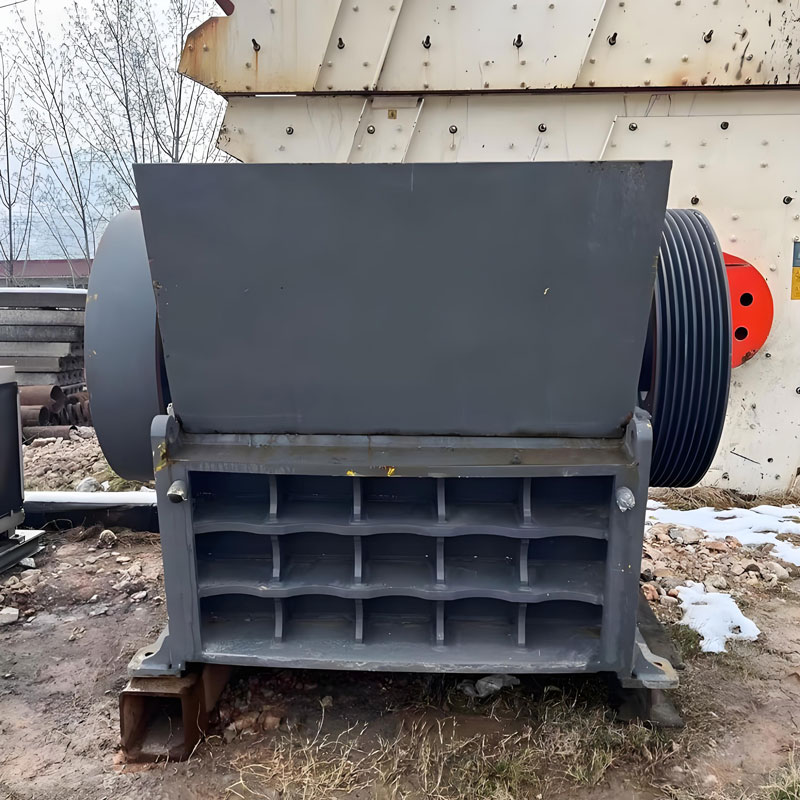
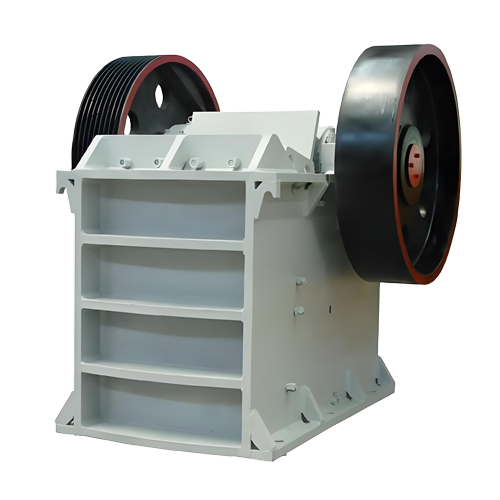
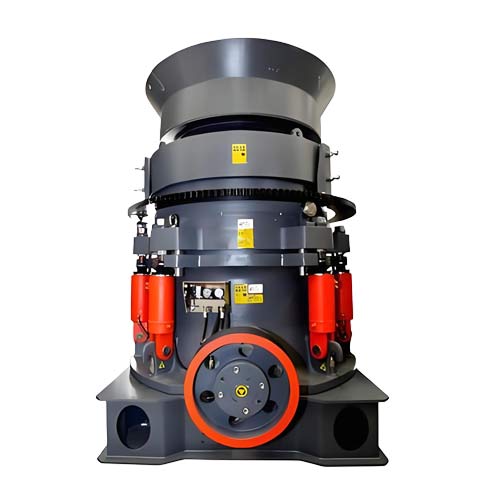
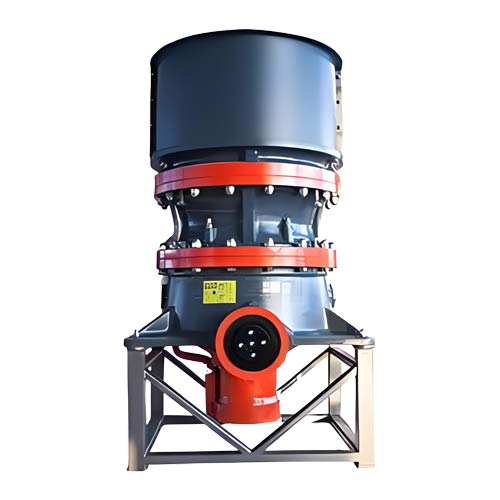
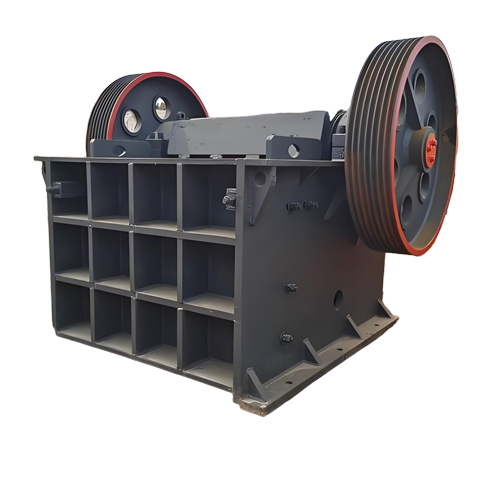
● Supporting crushing equipment (jaw crusher, cone crusher) is used for pretreatment, and grading equipment (cyclone, screening machine) is used for particle size control to ensure that the finished product meets the application standards.
Through scientific grinding and diversified applications, lithium tailings can effectively alleviate resource waste and environmental pollution, expanding their economic value in building materials, new materials, and resource recovery. With the development of green mining, the comprehensive utilization technology of lithium tailings will continue to be optimized. Guilin Mining Machinery’s GKLM vertical mills and Raymond mills can be used for grinding lithium tailings. They are also widely used in the power, metallurgy, cement, chemical, and non-metallic mineral industries, primarily for grinding cement raw materials, clinker, power plant desulfurization limestone powder, slag, steel slag, manganese ore, gypsum, coal, barite, calcite, bauxite, and other materials. They offer advantages such as low cost, high efficiency, and high output.
Related Products
Inquiry
Please leave us your requirements, we will contact you soon.