

Mobile crushing production line for stone quarries
Mobile crushing production line equipment is currently extremely popular in stone quarries. It’s easy to see why: firstly, environmental regulations are being strictly enforced, and secondly, mobile crushers are highly adaptable. Some users may worry about the design of mobile crushing production lines. However, as the saying goes, “everyone has their own expertise.” Stone quarries are responsible for using sand and gravel equipment to turn stones into aggregates, while equipment manufacturers are responsible for the rational design of the production equipment and production line process. So please don’t worry, we’ve got you covered with the mobile crushing production line for your stone quarry.
No matter what you do, route planning is essential. Good planning ensures a smooth project, while poor planning can lead to detours, which is a relatively minor consequence. More serious consequences include putting in effort only to have the project fail. This applies to our stone quarry as well. We must treat each project as a battle, and how well we fight it depends on the people we choose to deploy our forces.
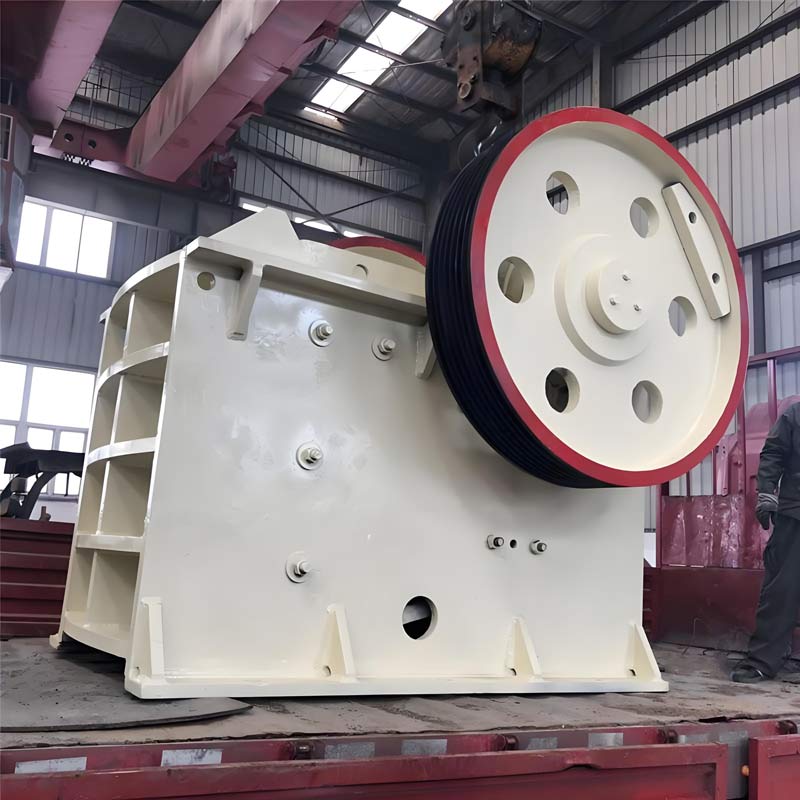
How to configure a mobile crushing production line for a stone quarry?
A mobile crushing production line for a stone quarry is a device that integrates feeding, crushing, and finished product conveying. Based on this simplified process, we can fill the equipment within it. First, the feeding system should include a vibrating feeder.
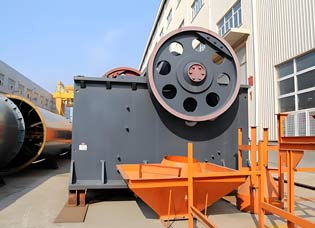
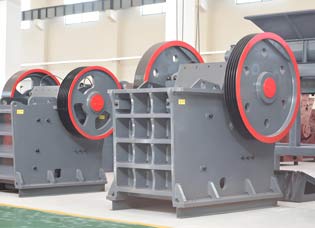
Then comes the crucial crushing stage, which typically involves a primary crusher (jaw mobile crusher) followed by a secondary crusher (cone mobile crusher, impact mobile crusher). The choice of the secondary crusher depends on the user’s needs. Alternatively, to save on investment, a hammer mobile crusher can be used if the material is suitable, crushing large rocks into aggregate in one pass without secondary crushing, offering both convenience and cost savings.
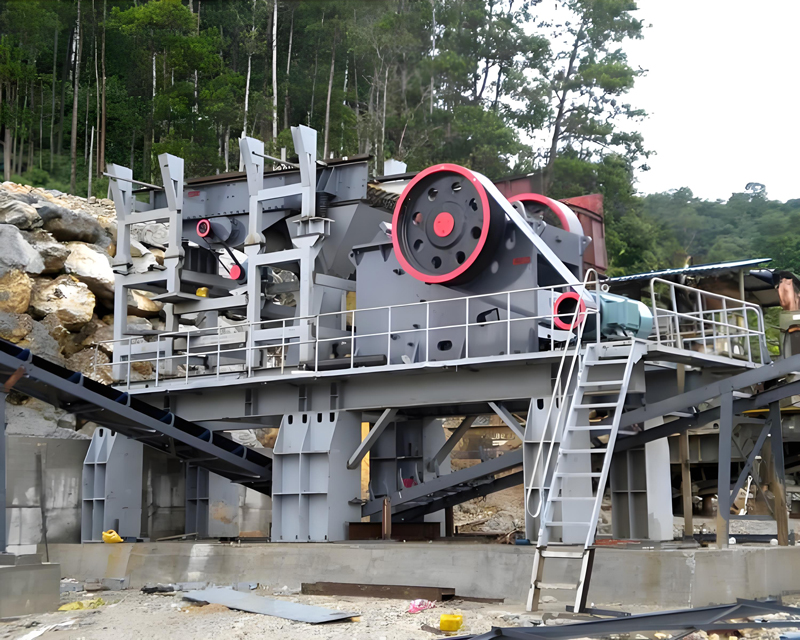
Next is the finished product conveying process, which involves two parts: the transfer of aggregates between different stages, such as the connection between primary and secondary crushing which relies on conveyor belts; and the inspection of the finished product, primarily achieved using vibrating screens to separate different finished products. These are then conveyed to different piles via conveyor belts. Substandard products are returned to the secondary crusher. Of course, for particularly high quality requirements, additional vibrating screens can be added.
Related Products
Inquiry
Please leave us your requirements, we will contact you soon.