

Key points for installation and adjustment of ultrafine grinding mill
Ultrafine grinding mills are currently a mainstream grinding equipment on the market, meeting the needs of a wide range of customers with their superior performance. After purchasing an ultrafine grinding mill, the manufacturer usually sends professional personnel to the user’s site to install and adjust the equipment. However, sometimes the user needs to install it themselves. So, how does one install an ultrafine grinding mill?
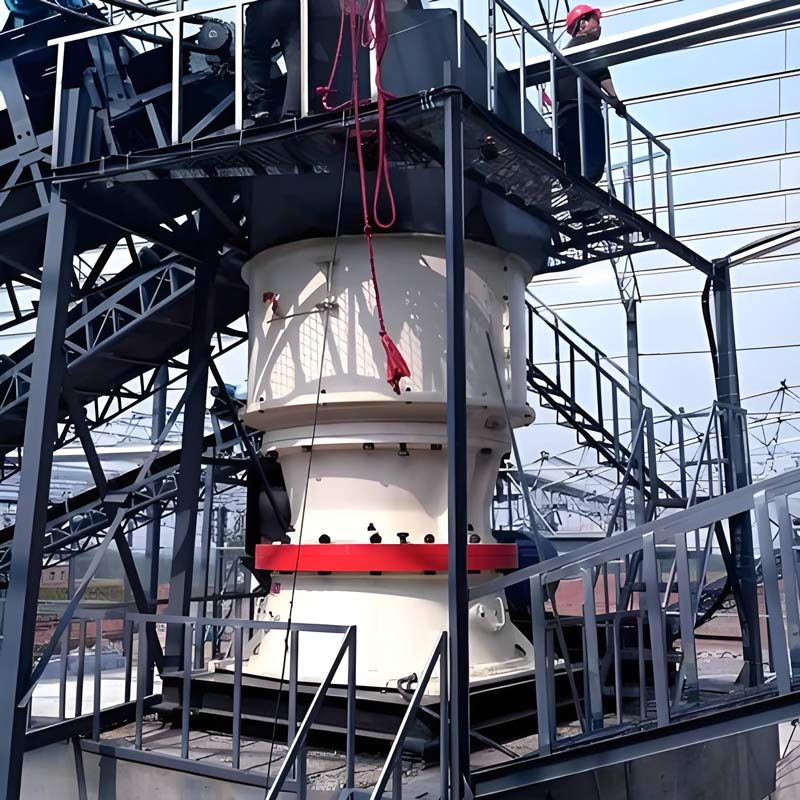
1. In addition to providing the main grinding mill, manufacturers of ultrafine grinding mills can also provide complete sets of equipment according to user requirements. Users can also purchase the main grinding mill separately and then select the necessary auxiliary equipment.
2. All equipment should be securely connected, and pipe joints should be sealed to prevent gas leakage. Poor sealing will not only cause dust pollution but also reduce production capacity and the fineness of the finished product.
3. The power distribution cabinet should be placed in a location that is convenient for operation and observation of equipment operation. Electrical connection wires between various devices should be placed in conduits according to relevant national regulations.
4. The power distribution cabinet should be equipped with start/stop buttons for each device, indicator lights, an ammeter for the main motor, speed control buttons for the feed motor and classifying motor, and various protective devices.
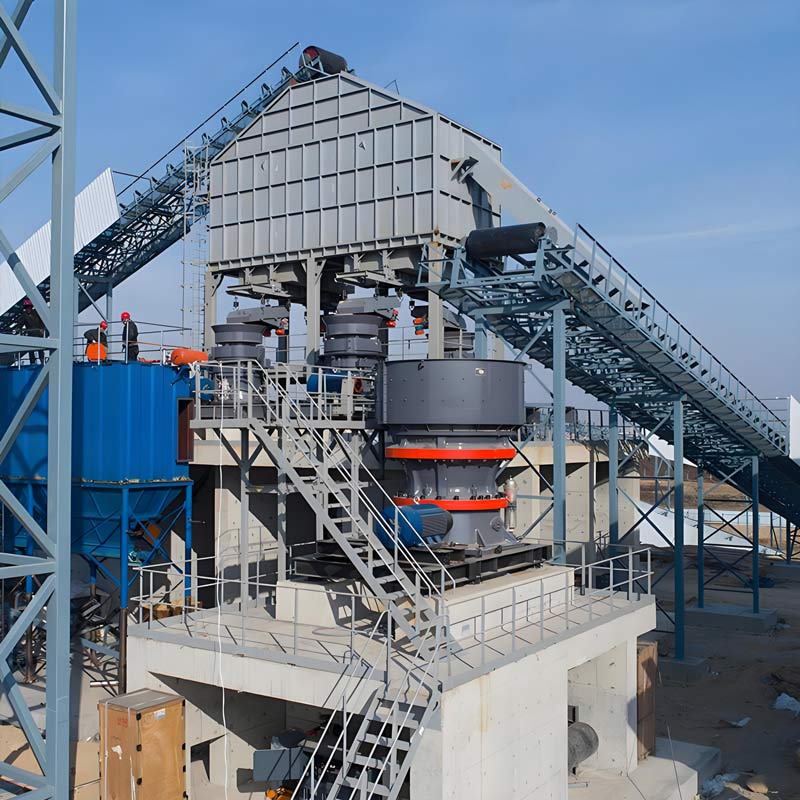
5. The fineness of the ultrafine powder produced by this complete set of equipment can be adjusted within a certain range according to the product’s particle size requirements. Before adjustment, take a sample of the product and measure the fineness using a corresponding particle size analyzer. If the powder sample is coarser than the qualified product particle size, the speed of the classifying impeller can be increased until the requirements are met. Conversely, if the powder particle size is too fine, the speed of the classifying impeller can be reduced until the product particle size meets the requirements.
6. Once the product particle size meets the requirements, adjust the main motor load by observing the ammeter. If the load is too high or too low, adjust the feed motor speed to change the feed rate and maintain the main motor load.
7. When processing heat-sensitive materials, the main motor load should be adjusted to slightly below the rated power value.
8. The airflow in the conveying pipeline can be adjusted by changing the opening size of the induced draft fan damper. Higher airflow results in coarser product particle size but increased output. Lower airflow results in finer product particle size but correspondingly lower output. Generally, no further adjustment is needed when the main airflow meets the requirements for product fineness and productivity.
9. Regularly check the tension of the drive belt to prevent pulley slippage. The drive belt tension stress should be 20-27N, and the belt sag per meter should be 16mm.
Related Products
Inquiry
Please leave us your requirements, we will contact you soon.