

Introduction to the beneficiation process of manganese oxide and manganese carbonate ores
I. Manganese Oxide Beneficiation Process
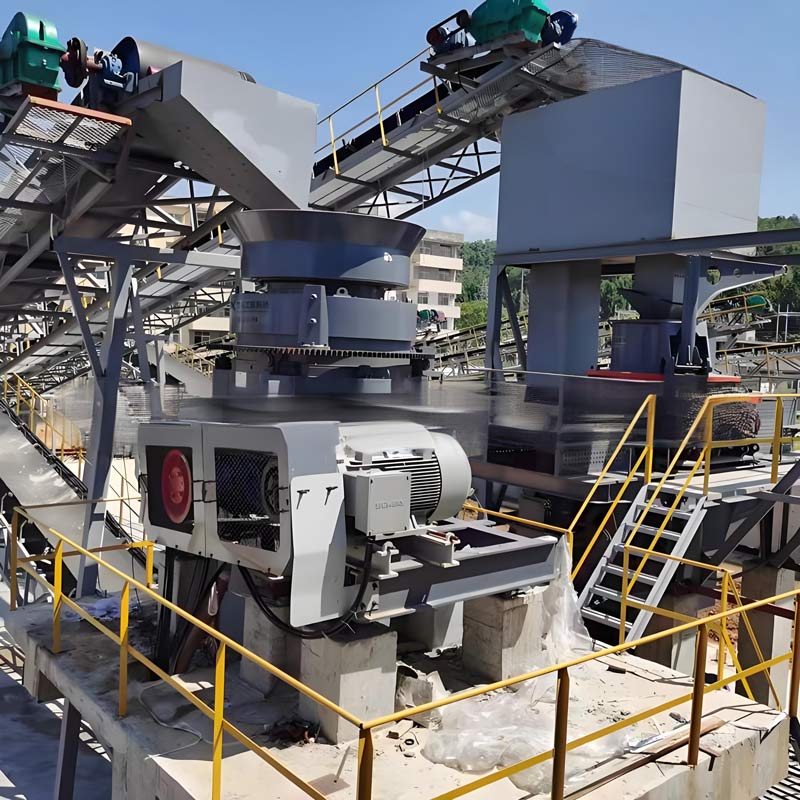
The flotation process for manganese oxide ore is mainly gravity separation, and then further subdivided into different beneficiation processes according to the different manganese oxide compositions. These processes constitute a complete beneficiation process for manganese oxide ore.
Manganese oxide minerals are mainly composed of pyrolusite, manganese bauxite, and malachite, with gangue primarily consisting of silicate minerals, but also including carbonate minerals; they are often associated with pig iron, phosphorus, nickel, and cobalt. Specific beneficiation methods include washing and gravity separation for weathered manganese oxide ores, which often contain large amounts of slime and fines. Washing overflow sometimes requires further recovery using gravity separation or high-intensity magnetic separation. For some sedimentary primary manganese oxide ores, due to mining depletion, heavy media and jigging gravity separation are used to remove gangue, yielding a lumpy concentrate.
II. Manganese Carbonate Beneficiation Process
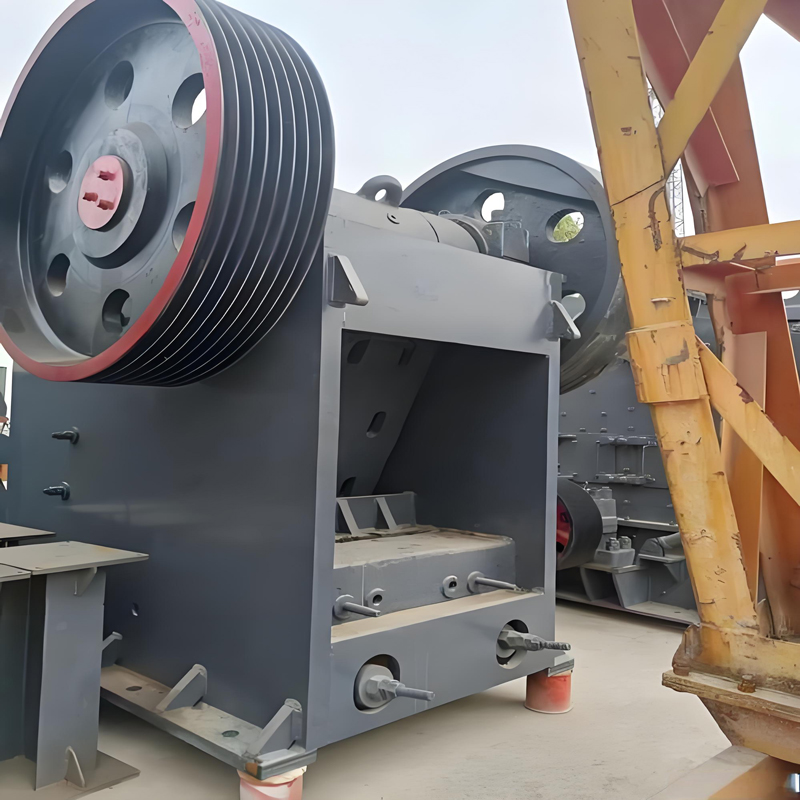
There is limited practical experience in beneficiating manganese carbonate ore. High-intensity magnetic separation, heavy media separation, and flotation methods have been studied. For some sedimentary sulfur-bearing manganese carbonate ores, a sequential preferential flotation process involving carbonaceous shale, pyrite, and manganese minerals is used industrially. For some hydrothermal lead-zinc-bearing manganese carbonate ores, a flotation-high-intensity magnetic separation process is employed. In some sulfur-rich manganese ores, the main manganese mineral is rhodochrosite, which can be desulfurized by roasting. Some rich manganese carbonate ores also employ roasting to remove volatile components, yielding the finished ore.
In sedimentary manganese carbonate ores, the main manganese minerals are rhodochrosite, calcite, manganese-bearing calcite, and rhodochrosite-iron ore; gangue contains silicate and carbonate minerals; and impurities such as sulfur and iron are often present. These ores are generally complex, with manganese minerals embedded in fine grains down to the micrometer level, making them difficult to liberate and often resulting in low concentrate grades.
III. Differences and Relationships in the Beneficiation Processes of Manganese Oxide and Manganese Carbonate Ores
Both manganese oxide and manganese carbonate ores contain some difficult-to-beneficiate ores. Manganese is closely associated with iron, phosphorus, or gangue, with extremely fine particle sizes, making separation difficult. Metallurgical methods can be considered for processing these. For example, the manganese-rich slag process for processing high-phosphorus and high-iron manganese ores, the nitric acid leaching process for producing active manganese dioxide, and the electrolytic process for producing metallic manganese are all in industrial production. In addition, the calcium dithionate process and bacterial leaching processes are under research.
Related Products
Inquiry
Please leave us your requirements, we will contact you soon.