

Improvement plan for coal slime dryer
For many years, Xinshengrun has continuously strengthened the competitive advantages of its dryer products, built core competitiveness in the industry, and is committed to the research and development, equipment manufacturing, and technical consulting services for drying technologies for high-viscosity and high-humidity materials. Continuous improvement and innovation have made its dryer equipment more high-quality and perfect. Improvement leads to greater advancement; here is a summary of the new improvement schemes and cleaning devices for the dryer furnace.
Introduction to the Structure and Working Principle of a Coal Slime Dryer
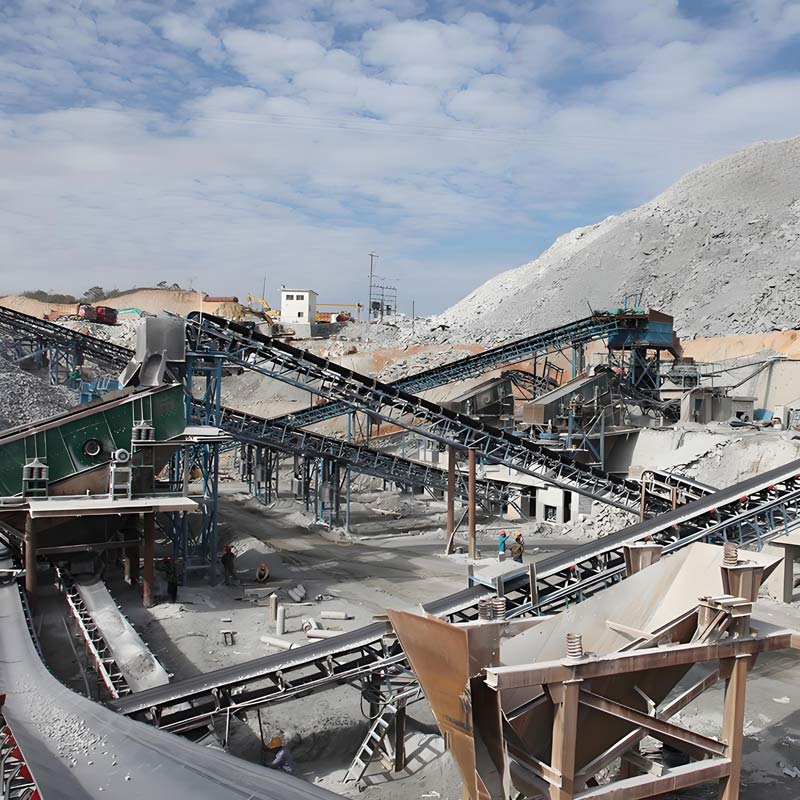
The coal slime dryer mainly consists of a heat source, a dispersing device, a belt conveyor, a feeder, a rotary drum, a belt discharge conveyor, an induced draft fan, a discharger, and an electrical control cabinet. During operation, it primarily relies on a continuous supply of hot air from a combustion device, which comes into full contact with the material being expelled by the rotating drum to achieve drying. However, after initial use, thick layers of dirt and coal slime often accumulate on the inner walls of the equipment. Therefore, a suitable cleaning device is necessary to clean the dryer. Details are as follows:
The cleaning device for a coal slime dryer is an automated system. The drying operation of a coal slime dryer is a floating drying process, and some adhesion to the drying tower walls is inevitable. If this adhesion is not addressed promptly, it will lead to a decline in product quality, an increase in lumpy materials in the product, or excessive moisture content. Therefore, the cleaning device is an essential auxiliary equipment for the dryer.
There are many types of cleaning devices for coal slime dryers, and their structures vary greatly. If we classify them by installation location, they can be basically divided into two categories. One type is installed on the outer wall of the tower, which mainly uses vibration to remove the material adhering to the tower wall while production is not interrupted. The other type is installed inside the tower. This type of equipment is mostly used in large-diameter rotary dryers, and the tower wall is usually cleaned after work has stopped. Sometimes, manual operation inside the tower is required.
Improvement Plan for the Furnace of a Coal Slime Dryer
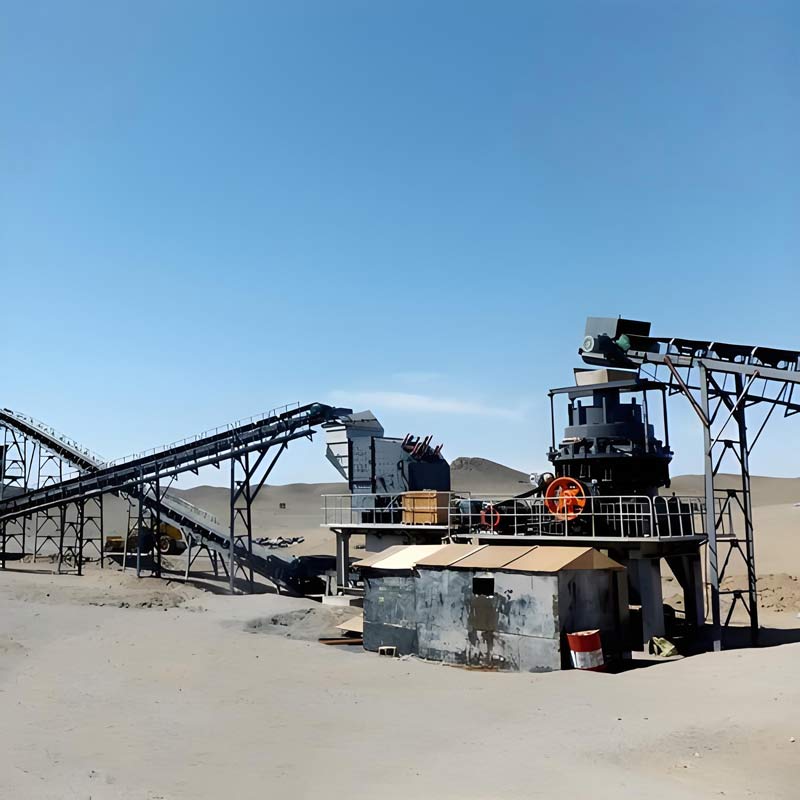
Under normal circumstances, the inspection doors of flat-plate cast iron dryers are directly exposed to flame heat. Over time, this can easily lead to cracking and deformation, making them unable to close tightly. If the main exhaust fan loses power or trips, positive pressure will occur in the furnace, causing hot air and flames to escape. Based on various problems encountered during past dryer use, the technical development team at Hongxing Machinery has meticulously developed an improvement plan for the furnace:
1. A new type of inspection door is fabricated using 4mm thick ordinary steel plates. Larger inspection doors require reinforcing ribs welded to the outside with angle steel to prevent deformation. Anchors are welded to the flame-contacting surface of the inspection door, using water-based castable refractory (water-based castable has a longer curing time but better refractoriness). This prevents the steel plate from being directly exposed to flame heat while ensuring even heating.
2. The locating pins of the door are maintained to ensure smooth opening and closing. Furthermore, the condition of the dryer’s inspection doors is rigorously inspected and assessed.
3. The improved inspection door saves on materials, is readily available, and has a lower cost, receiving positive feedback from operators.
The implementation of this improvement not only reflects a company’s technological advancement but also affirms the dryer’s market position. While later entrants may adopt various improvement plans, ultimately, it all comes down to profit and technological progress.
Related Products
Inquiry
Please leave us your requirements, we will contact you soon.