

How much does a crusher with a daily output of 20,000 tons cost?
Faced with the shortage of sand and gravel aggregate resources in the market, stone quarries are expanding their production capacity. Recently, many users have inquired about the price of a crusher with a daily output of 20,000 tons. A daily output of 20,000 tons is quite a large output. Let’s take a look!
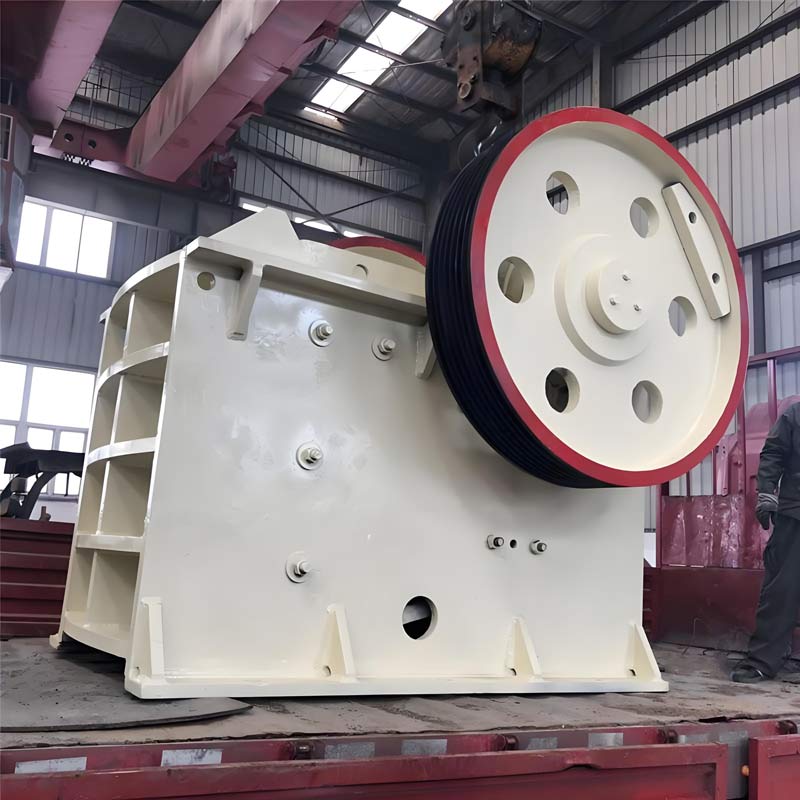
If it works 8 hours a day, then the output is 2500 tons per hour. Some crushing equipment only produces a few thousand tons per day, so it’s no exaggeration to call it the pillar of the crushing industry. This is the PCZ2225, a type of PCZ hammer shaping crusher, commonly used for crushing medium-hardness and brittle materials such as coal and limestone. Let’s look at its special advantages:
Firstly, its obvious advantage is that it crushes materials of all sizes into uniform and complete particles in a single operation, making it easy to use and eliminating the need for traditional primary crushing, thus effectively reducing crushing costs.
Secondly, it is energy-efficient and high-yielding, with a large crushing ratio, high crushing efficiency, compact structure, reasonable layout, low energy consumption, large feed capacity, and power saving.
Thirdly, it has low operating costs, with an advanced structure, convenient operation, simple maintenance, and stable operation.
How much does a 20,000-ton-per-day crusher cost?
Compared to smaller PCZ hammer crushers, this larger model requires more materials, manpower, and time investment during production, and its higher capacity justifies a slightly higher price. However, due to its unique structure, it’s relatively cheaper than other crushers of the same model, resulting in lower procurement costs and making it a worthwhile investment.
As for the price of a 20,000-ton-per-day crusher, it’s influenced by many factors, such as the manufacturer. Different manufacturers have different capabilities, different feeding methods, varying levels of technological maturity, and differences in manpower, materials, and working hours, all contributing to different equipment costs. If a manufacturer incurs high costs due to insufficient technology or expensive feeding materials, and still wants to make a profit, they will have to raise their price. Therefore, different manufacturers will offer different prices, and the specific investment amount depends on which manufacturer you purchase from.
Related Products
Inquiry
Please leave us your requirements, we will contact you soon.