

Flow detection in mineral processing
In mineral processing, the main measuring instruments are the “eyes” of the control system. Due to the harsh operating environment and numerous influencing factors, mineral processing places high demands on the measuring instruments; their applicability often hinges on the success or failure of the control system. Currently, most instruments used in automated mineral processing are domestically produced, with performance and quality approaching international advanced levels.
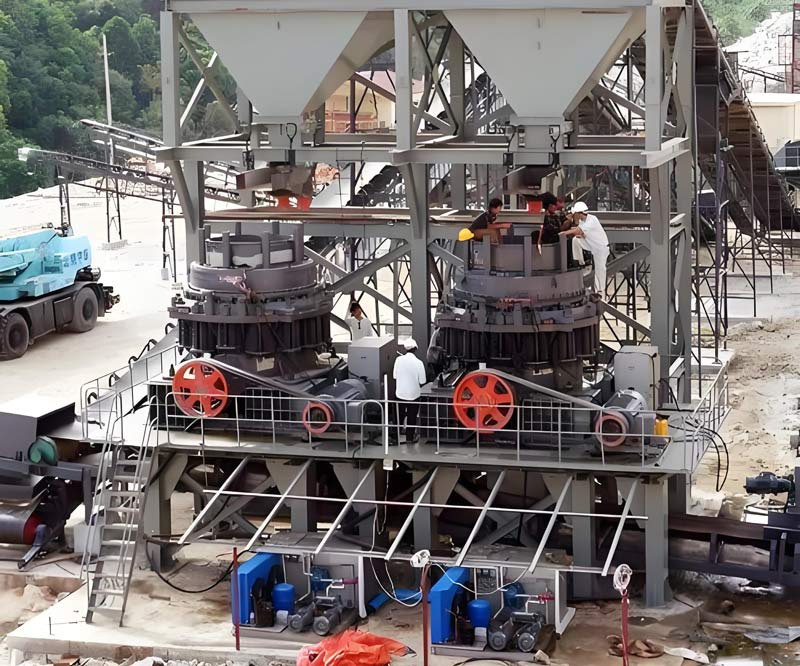
Flow rate detection is one of the most important parameters in mineral processing, as production assessment and process control rely on flow data. Flow rate detection in mineral processing mainly includes ore flow rate, water flow rate, and slurry mass flow rate.
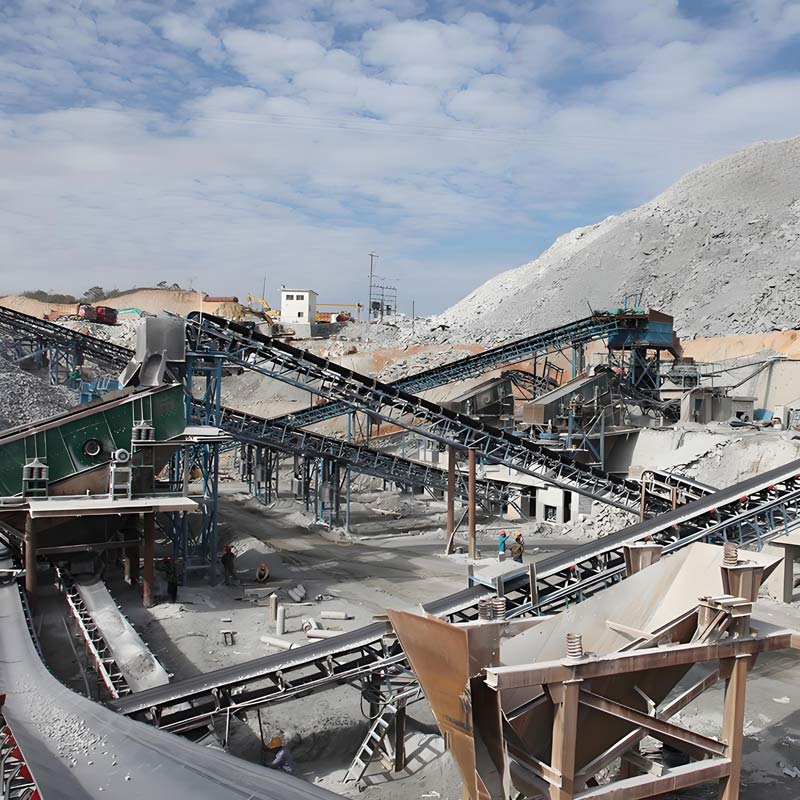
Ore flow rate detection primarily uses electronic and nuclear methods. These two types of flow measurement instruments account for the majority of existing ore flow measurement instruments in my country. There has been ongoing debate about whether nuclear or electronic belt scales are superior. From the perspectives of measurement principles and practical application, both types of belt scales have their advantages and disadvantages. Under suitable operating conditions, electronic belt scales offer significantly higher accuracy than nuclear belt scales. However, in terms of installation and maintenance, nuclear belt scales have a clear advantage.
There are many types of water flow measurement instruments, and the technology is mature. Since the production water in mineral processing plants contains varying amounts of mud, sand, or other impurities, electromagnetic flow meters are currently the primary instrument used for measuring water flow in mineral processing. Using electromagnetic flow meters to measure water flow in the mineral processing process offers high accuracy, relatively low maintenance, and a reasonable price.
For measuring the mass flow rate of slurry, there are currently two main types: ① Direct mass flow meters. The displayed value and output signal of these flow meters directly reflect the mass flow rate of the slurry; ② Derivative mass flow meters. These calculate the mass flow rate of the slurry by using a flow meter and a density meter in combination.
Related Products
Inquiry
Please leave us your requirements, we will contact you soon.