

Dry and wet processes for calcium carbonate production
The dry process for producing ground calcium carbonate offers low cost and a short process, making it suitable for products with low to medium fineness. The wet process can produce ultrafine powders, meeting the demands of high-end applications such as papermaking and coating. Future trends will focus on intelligent, nanoscale development, and environmentally friendly upgrades.
Abstract: Ground calcium carbonate (GCC), an important industrial filler , is widely used in papermaking, plastics, coatings, rubber, and other fields. Its production processes are mainly divided into two types: dry and wet processes. This article will detail the process flow, core equipment, and technical characteristics of each process, and compare and analyze their application scenarios and development trends.
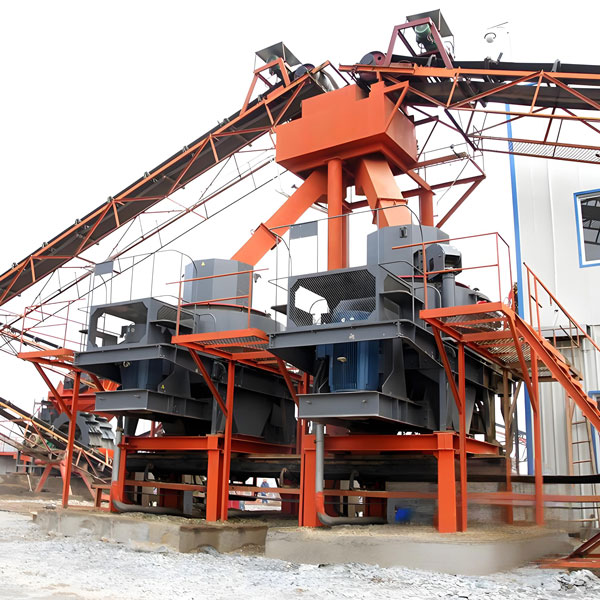
1. Overview of Heavy Calcium Carbonate Production Process
Ground calcium carbonate is produced from natural calcite, marble, limestone, and other raw materials through a process of crushing, grinding, and grading. Depending on the required product fineness and downstream application scenarios, production processes are categorized into dry and wet methods. The dry method is suitable for products with low to medium fineness (e.g., d97 ≥ 3-5μm), offering a simple process and low costs. The wet method is suitable for ultrafine products (e.g., 2500-6000 mesh), achieving a finer and more uniform particle size distribution, but it also requires complex processes and higher investment.
2. Dry production process and equipment
1. Process
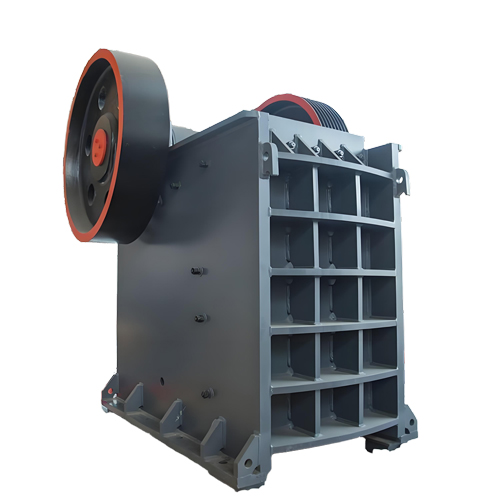
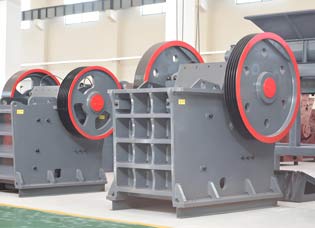
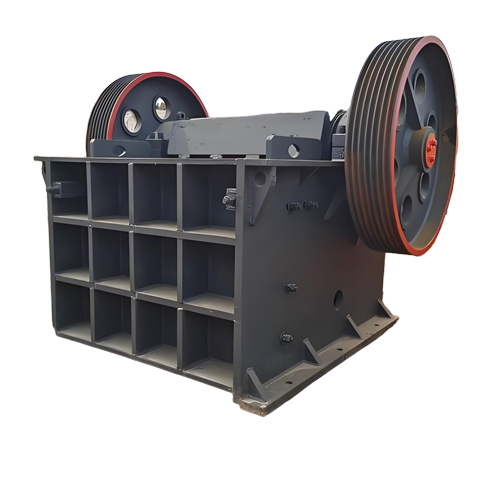
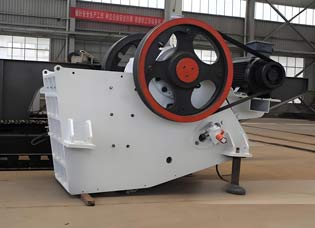
○ Raw material pretreatment: hand sorting to remove gangue, coarse crushing (jaw crusher, impact crusher)
○ Dry grinding: Raymond mill (80-400 mesh), vertical mill, ultrafine vertical mill (200-2500 mesh), ball mill + classifier (multi-stage classification)
○ Grading and packaging: Ultra-fine grading machines (impeller type, cyclone type) separate qualified products and unqualified materials are returned for grinding
○ Surface modification (optional): Improve product dispersibility
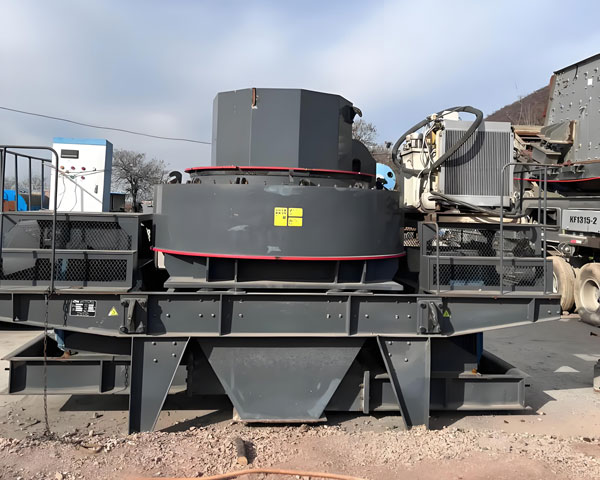
2. Core equipment and technical features
○ Raymond mill: suitable for 80-400 mesh products, small footprint, high screening rate, but low fine powder content.
○ Vertical mill: Combined with a classifier, it can produce fine powder <10μm, with low energy consumption, suitable for medium and high-grade fillers.
○ Ball mill + classifier: can flexibly adjust the particle size (d97 = 5-45μm), but there are problems of agglomeration and high energy consumption.
○ Jet mill: used for ultrafine grinding (<10μm), high energy consumption but uniform particle size.
3. Advantages and Disadvantages
○ Advantages: short process, no dehydration required, low investment cost, and easy operation.
○ Disadvantages: Product fineness is limited, classification efficiency depends on equipment performance, and particles are prone to agglomeration.
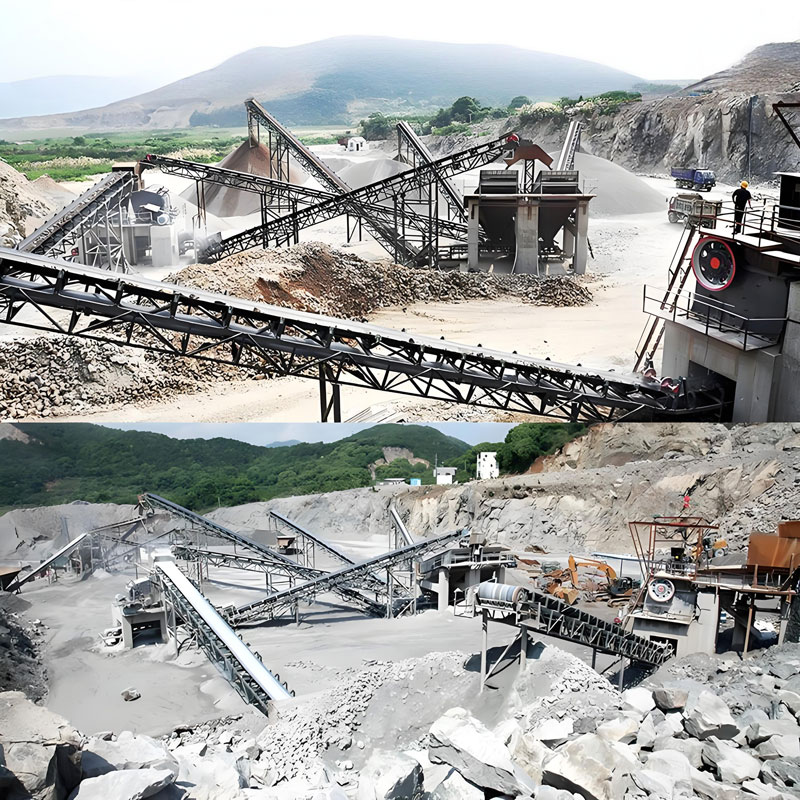
3. Wet production process and equipment
1. Process
○ Raw material crushing: jaw crusher + Raymond mill (pre-crushed to 200-400 mesh)
○ Wet grinding: stirred mill/sand mill (single or multi-stage)
○ Classification and dehydration: Wet classifier (cyclone, disc classifier) separates qualified slurry, concentrates, filters and dries
○ Surface modification: wet modification or dry modification after drying
○ Packaging: slurry or dry powder packaging
2. Core equipment and technical features
○ Wet stirred mill: High-efficiency ultrafine grinding, suitable for filler-grade and coating-grade products.
○ Sand mill: optimize media distribution, reduce wear and improve grinding efficiency.
○ Classification equipment: small diameter cyclone, horizontal spiral classifier, but wet ultrafine classification is difficult and requires optimized operation.
○ Drying equipment: drum tube type and disc type dryers must prevent agglomeration and deagglomerate when necessary.
3. Advantages and Disadvantages
○ Advantages: The product has fine particle size (up to nanometer level), narrow distribution, good surface modification effect, and is suitable for high-end applications (such as paper coating).
○ Disadvantages: The process is complicated and requires dehydration and drying equipment, which results in high energy consumption and operation difficulty.
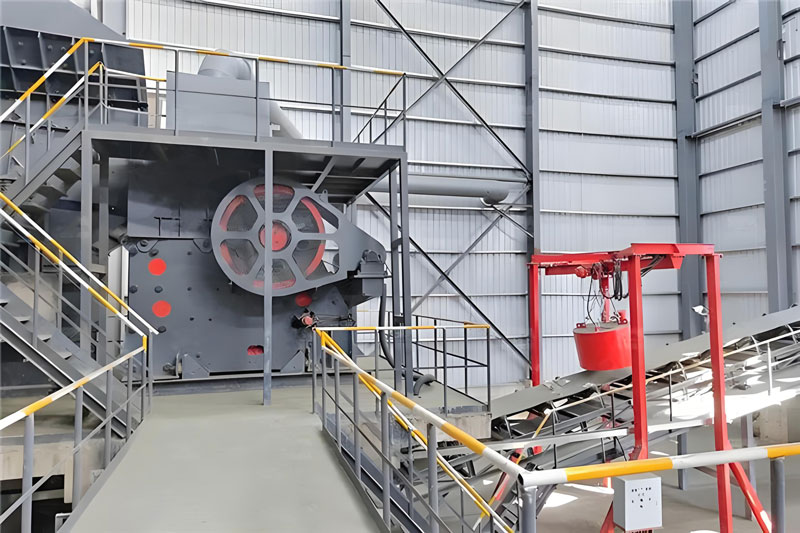
4. Process selection and trends
1. Basis for process selection
○ Product fineness: below 2500 mesh, choose dry method; above 2500 mesh, choose wet method.
○ Application scenarios: Dry process is used for coarse fillers such as rubber and plastics; wet process is used for papermaking and coating grades.
○ Cost and efficiency: The dry process has low investment and quick results; the wet process has high added value and is suitable for large-scale production.
2. Technology Development Trends
○ Large-scale and intelligent: Equipment is developing towards high efficiency, low energy consumption and automation.
○ Integrated wet modification: Grinding + modification linkage process improves production efficiency.
○ Nano-scale product development: Adding crushing aids to prepare submicron/nano calcium carbonate to meet the needs of high-end materials.
○ Environmental protection and energy saving: optimize drying process and reduce dust emissions.
5. Equipment selection recommendations
● Dry method: Raymond mill/vertical mill system with matching classifier is preferred to ensure particle size stability.
● Wet method: focus on grinding media materials (such as ceramic lining) and classifier efficiency, combined with dry deagglomeration equipment to prevent agglomeration.
● It is recommended to choose a mature equipment supplier (such as Guilin Mining Machinery, etc.) to ensure equipment stability and after-sales service.
Related Products
Inquiry
Please leave us your requirements, we will contact you soon.