

Design requirements for ball mill control interface
The human-machine interface (HMI) of a ball mill, also known as the user interface, is the face of an interactive application software system. Designing a ball mill HMI requires careful consideration of human factors, interface style, available software and hardware technologies, and the impact of the application itself.
HMI design should follow certain principles: It should minimize user workload. When designing a ball mill HMI system to complete a task, the computer should be more proactive, performing more work, while the human should only need to do less. It should also minimize the user’s learning and memorization load, using familiar interface styles such as consistent information displays and dialog boxes, and maintaining consistency between data input and output interfaces.
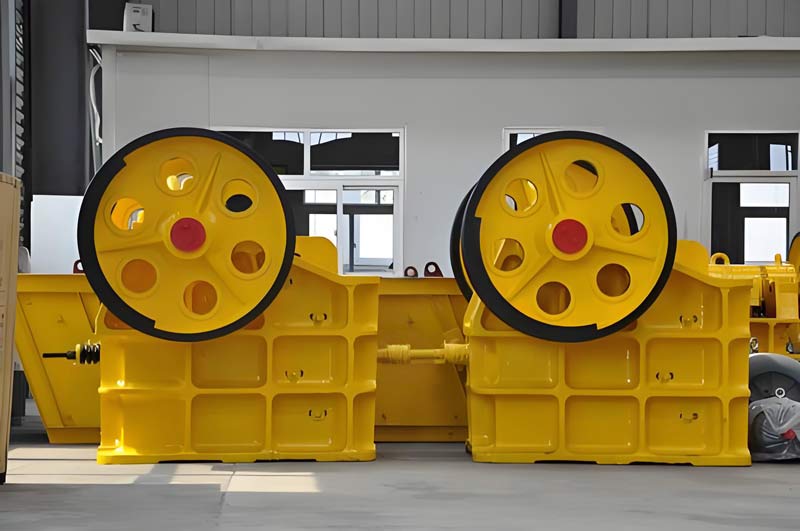
The ball mill interface should promptly display error messages and provide help functions. Errors may occur during program operation due to user mistakes or limitations of the program itself. In such cases, the interface should promptly display and handle the error messages. Additionally, providing help functions allows users to easily find the ball mill information they need and learn how to use the software system.
Finally, it’s crucial to minimize eye strain by using intuitive controls and graphics to represent program operations. The colors used in the graphics should be soft and vibrant to reduce visual fatigue. The system should be fault-tolerant to prevent damage from accidental operation. Displaying system error messages and suggesting solutions on the ball mill interface are practical measures. Therefore, to make the ball mill’s human-machine interface more user-friendly, it must be strictly designed according to standards to gain customer satisfaction and ultimately achieve greater benefits.
Related Products
Inquiry
Please leave us your requirements, we will contact you soon.