

Current Status of Boronite Mining and Processing in my country
Boronite is a major source of boron resources in my country, but its complex internal composition and multi-element symbiosis have hindered its effective utilization. Therefore, how to better develop and utilize boronite has become a key research focus in the mineral processing industry.
Currently, the commonly used magnetic separation process for boronite in China is as follows:
Mineralogical studies of the main mining areas in the boronite development plan show that the main minerals are magnetite, boromagnesite, and serpentine, accounting for 82.39% of the total mineral content. Specifically, serpentine is concentrated in particle sizes above 120 micrometers, with high content of coarse particles above 480 micrometers. Serpentine particles smaller than 1.0 millimeter are generally not significantly affected by mineralization. Magnetite and boromagnesite are found in the 30-480 micrometer range. The boromagnesite particle size distribution is not concentrated and exhibits a highly uneven distribution. The complex and closely intergrowth relationship of the three minerals presents challenges to the separation process.
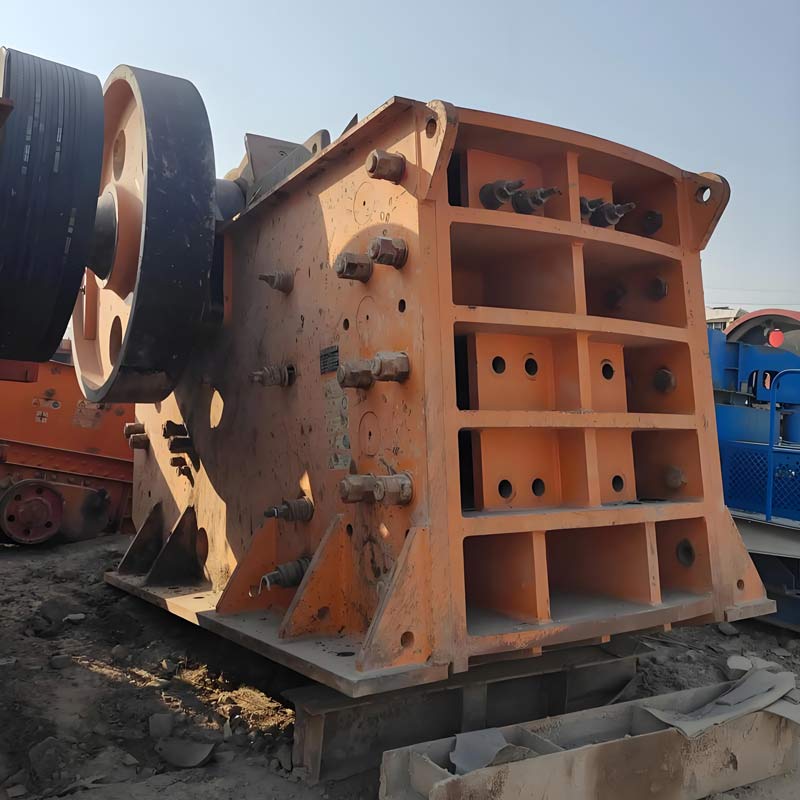
Comprehensive Utilization of Iron Resources in Boron Concentrate
After tailings disposal and beneficiation, boron-iron ore yields two minerals: boron-bearing iron ore and boron concentrate. The boron concentrate has a high boron content and can be directly used to produce borax and boric acid. The boron-bearing iron concentrate has a lower boron content and a higher iron content, so it cannot be directly used as a raw material for borax and boric acid production and requires further processing. Specifically, the ore is lumped and smelted in a blast furnace. Utilizing the differences in the chemical stability of the valuable minerals, high-temperature selective reduction is employed to first reduce the iron. Under blast furnace conditions, small amounts of boron (B) and silicon (Si) from the ore enter the molten iron, generating boron-bearing pig iron. Other mineral components in the ore are enriched in the slag, forming boron-rich slag. Iron-boron separation is achieved by leveraging the density characteristics of the two-phase melts of the boron-rich slag and the differences in surface tension of the elements. Boron-containing pig iron is a boron alloy raw material for producing boron cast iron products. It can replace precious metals such as ferroborone alloys, chromium, and molybdenum, and is widely used in high-tech fields such as machinery, metallurgy, chemical industry, building materials, and agricultural machinery.
Related Products
Inquiry
Please leave us your requirements, we will contact you soon.