

Corrosion and Wear Analysis of Crushing Equipment
Crushers are mostly made of metal, and are often subject to wear or corrosion due to production conditions and the environment. Below, we will analyze the principles of metal corrosion.
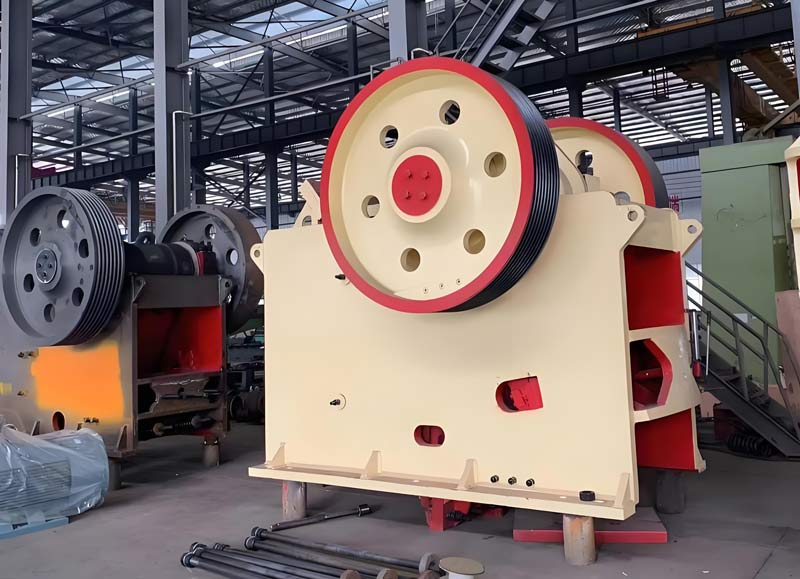
Metal corrosion is classified into two categories: chemical corrosion and electrochemical corrosion. Electrode potential, passivation ability, and the degree of protection provided by the corrosive substance are important criteria for judging the corrosion resistance of a metal. The more positive the electrochemical potential of a metal, the higher its thermodynamic stability, the lower its activity, and the better its corrosion resistance. Only the formation of a dense solid film-like product can increase the resistance to corrosion reaction, produce a polarization effect, and effectively protect the metal. During the installation and use of crushers, proper anti-corrosion protection should be implemented under the guidance of professional technicians.
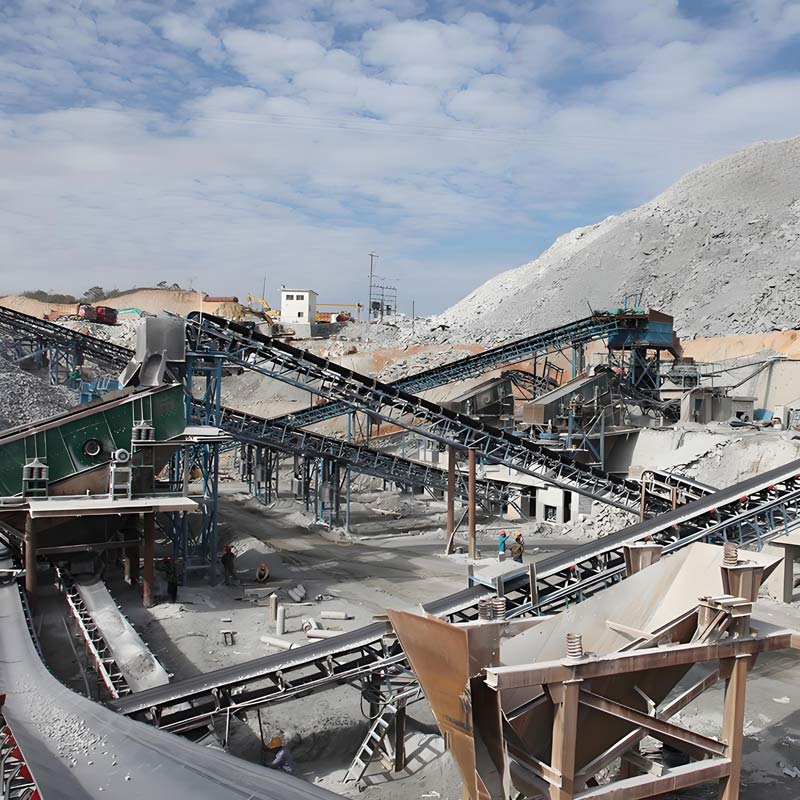
Metal wear is a common phenomenon in crushing machinery. In crushers, corrosion usually occurs when the material being crushed comes into contact with the surface of the crushing chamber material, resulting in abrasions or slight cutting action on the material surface. Due to the working characteristics and large workload of crushers, their crushing liners are among the most easily worn parts, and this wear is unavoidable. Severe wear can affect the quality of the crushed material; therefore, crusher liners should be frequently inspected, maintained, and replaced.
Corrosion and wear of mechanical equipment are unavoidable during production and use. How to maintain and care for mechanical equipment is a key factor in extending its lifespan and ensuring the quality of mechanical production.
Related Products
Inquiry
Please leave us your requirements, we will contact you soon.