

Application of ball mills in cement grinding process
Currently, grinding equipment in my country operates in two circulation modes: closed-loop and open-loop. Each mode has its advantages and disadvantages. The open-loop process is simple, and the finished product is the material exiting the mill. However, its disadvantages include slow material movement within the mill, long processing time, high energy consumption, and low production output.
Closed-loop grinding systems, equipped with classifiers, can promptly remove most of the finely ground powder, effectively preventing over-grinding. The fineness of the finished cement can be flexibly adjusted by regulating the classifier’s operating parameters. Furthermore, the increased material flow rate within the closed-loop mill allows each grinding chamber to appropriately perform its crushing or grinding task, resulting in increased output and reduced power consumption. This advantage is particularly pronounced when high cement fineness is required, making closed-loop grinding an inevitable trend in cement grinding technology development.
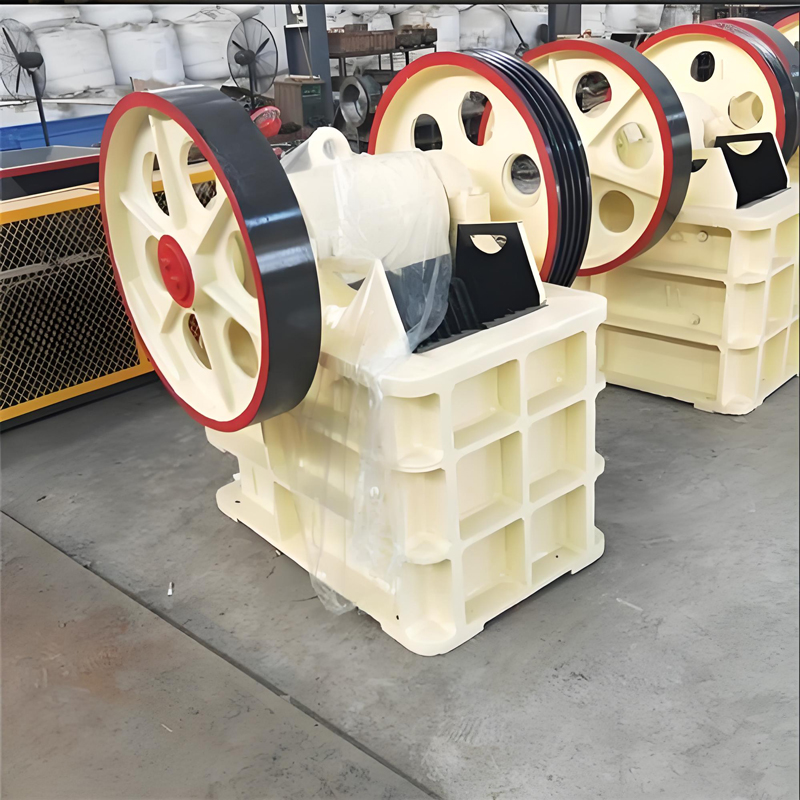
Ball mills are inefficient as crushing or grinding equipment. Moving the crushing process of larger materials (tens of millimeters or even smaller) from inside the mill to outside, in specialized crushing equipment, is an effective way to improve the production capacity of ball mills. This “more crushing, less grinding” pre-crushing (grinding) process is an effective way to improve the production capacity of ball mills. According to crushing theory, the essence of crushing brittle materials from tens of millimeters to a few millimeters is the continuous generation and expansion of internal cracks, and the external factor that promotes this process is the application of a large crushing force in a certain way.
Compression crushing and impact crushing methods are commonly used. Corresponding systems include two pre-crushing (grinding) processes: roller mill + ball mill and impact crusher + ball mill. The roller mill + ball mill grinding process includes various configurations of vertical mills and ball mill cascade grinding. For example, in a roller mill + ball mill cascade grinding system, the cement clinker to be crushed first enters the roller mill, where the strong roller pressure crushes it from tens of millimeters to a few millimeters or even finer before it enters the ball mill.
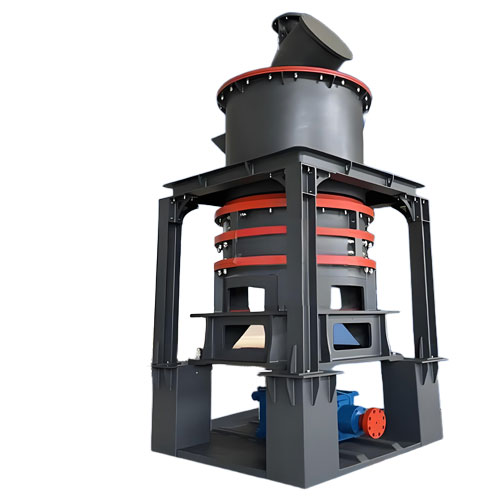
Because clinker particles develop numerous micro-cracks during roller crushing, they are more easily further pulverized within the ball mill and quickly enter the grinding stage. In this grinding system, the ball mill’s primary task is grinding; therefore, smaller grinding media can be used in the coarse grinding chamber. Increasing the surface area of the grinding media improves grinding efficiency, thereby significantly increasing the system’s production capacity.
By adopting a roller mill + ball mill cascade grinding process, the cement mill system’s output can increase by 40%, and grinding power consumption can decrease by 10%. The development of fine crushing equipment using impact crushers + ball mills is also a current hot topic in clinker pre-crushing. From fine-particle clinker crushers of the 1980s to various impact crushers in recent years, the reform and innovation of cement grinding processes have been powerfully promoted.
Related Products
Inquiry
Please leave us your requirements, we will contact you soon.