

Annual processing 400,000 tons of desulfurization ash mill 325 mesh
Desulfurization ash, an industrial waste, is transformed into high-value micropowder through 325-mesh grinding technology, with an annual processing capacity of 400,000 tons. It is widely used in cement, concrete and soil remediation, building a circular economy model of “pollution control-resource recycling-industry implementation”.
Under the dual pressures of environmental protection and resource utilization, how can industrial waste achieve a green rebirth? Desulfurization ash, once considered a “hot potato” byproduct of coal-fired power plants, is now undergoing a remarkable transformation from waste to resource through 325-mesh grinding technology with an annual processing capacity of 400,000 tons.
1. The awakening of the value of desulfurization ash
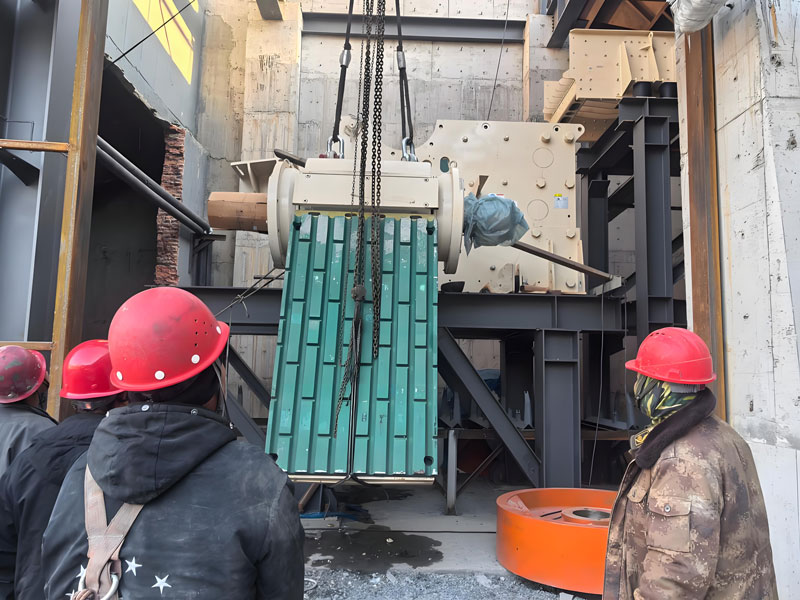
Desulfurization ash is rich in silicates, alumina, and other components. Traditional storage methods not only occupy land but also easily cause secondary pollution. With tightening environmental protection policies and technological breakthroughs, its resource potential is being further explored. The 325-mesh mill, with its fine grinding standard of 0.044 mm, has become the core equipment for the high-value utilization of desulfurization ash. Through efficient extrusion, impact, and shearing, the mill converts desulfurization ash into a uniformly sized fine powder, clearing technical barriers for downstream applications.
2. Technological breakthrough of 325 mesh grinding mill
Intelligent grinding system
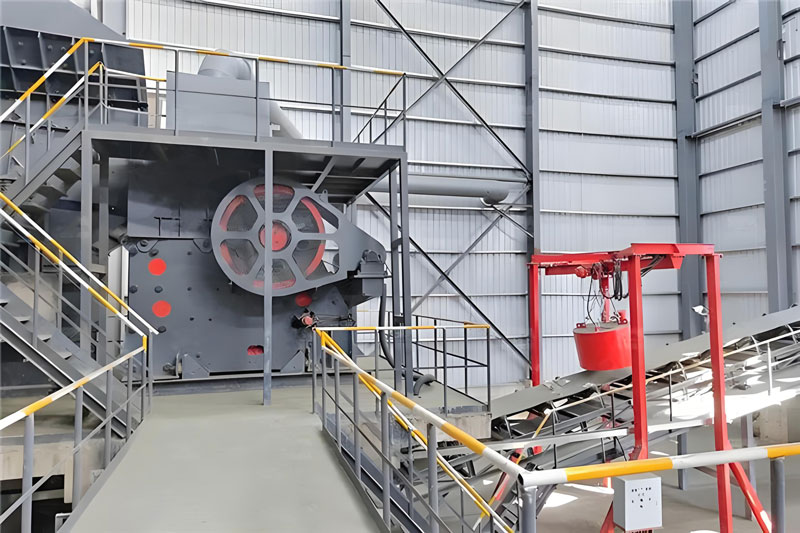
Adaptive pressure regulation technology optimizes grinding parameters in real time based on material characteristics, ensuring stability at an annual processing capacity of 400,000 tons. The grinding chamber structure design increases desulfurization ash crushing efficiency by 30% and reduces energy consumption by 15%.
A revolution in grading accuracy
Equipped with an eddy current classifier, it achieves 325-mesh screening through precise airflow velocity control, achieving a pass rate of up to 98%. Compared with traditional equipment, the fine powder yield is increased by 20%, significantly reducing return material loss.
Wear-resistant materials and technologies
To address the wear and tear characteristics of desulfurized ash during grinding, the mill utilizes high-performance wear-resistant materials and technologies. These materials offer excellent wear resistance, corrosion resistance, and high-temperature resistance, effectively extending the service life of the mill’s internal components. Furthermore, the mill is equipped with an intelligent monitoring system that monitors equipment operating status in real time, promptly identifying and addressing potential faults and ensuring continuous and stable production.
3. Resource Utilization: Green Transformation of Desulfurization Ash
After being finely ground in a 325-mesh mill, the desulfurization ash’s physical properties, such as particle size and specific surface area, have been significantly improved, providing more possibilities for subsequent resource utilization. Currently, desulfurization ash has been widely used in cement, concrete, building materials, soil conditioners, and other fields.
Cement industry: It replaces 10%-15% of cement clinker, reducing production costs by RMB 80 per ton. The national annual consumption volume has exceeded 20 million tons.
Concrete field: As an admixture, it can increase compressive strength by 20%. Projects such as the Beijing Daxing Airport have verified its reliability.
Soil improvement: Micronized desulfurization ash is three times more efficient in neutralizing acidic soil than limestone powder, and performs outstandingly in the restoration of black soil in Northeast China.
IV. Future Model of Green Economy
The significance of this project goes far beyond the technology itself—it establishes a circular economy model of “pollution control, resource recycling, and industrial implementation.” With the rollout of the 400,000-ton production line, my country can reduce desulfurization ash storage by 5,000 mu (approximately 1,000 acres) annually, while also providing a stable source of raw materials for the building materials industry. When environmental protection and profitability are no longer mutually exclusive, the answer to industrial green transformation becomes clear.
Related Products
Inquiry
Please leave us your requirements, we will contact you soon.