

Analysis of lithium extraction and grinding process of lithium ore
The discovery of lithium deposits in Chenzhou, Hunan, has injected new impetus into the new energy industry. Mature lithium extraction processes such as sulfuric acid and autoclaving, combined with efficient grinding technology, can significantly increase lithium resource utilization and drive the development of the lithium battery and new energy vehicle industries.
The recent discovery of lithium ore in Chenzhou, Hunan, holds significant significance for the development of the new energy industry. As a key new energy metal, lithium extraction and grinding technologies are crucial for its efficient resource utilization. This article will provide a detailed analysis of lithium extraction methods and grinding processes, providing valuable insights for related industries.
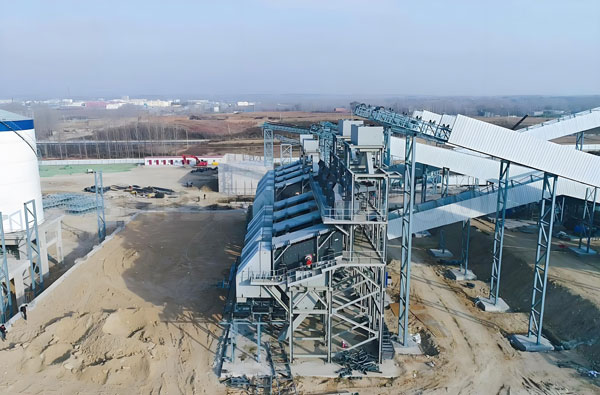
1. Analysis of lithium extraction process from lithium ore
Lithium extraction from lithium ore depends primarily on the ore type (e.g., spodumene, lepidolite, etc.) and chemical properties. For common spodumene ores, the mainstream lithium extraction processes include the following:
1. Sulfuric acid method (calcination-sulfuric acid leaching method)
● Principle: Sulfuric acid reacts with β-spodumene at high temperature to generate soluble lithium sulfate.
● Steps:
① High temperature calcination: calcining spodumene at 1050~1150℃ to convert α-type into β-type and enhance chemical activity;
② Acidification roasting: Add concentrated sulfuric acid (93%-98%) and react at 250~300℃ to generate Li₂SO₄;
③ Water leaching and impurity removal: Leach with deionized water, add CaCO₃ to neutralize the acid and filter out impurities;
④ Soda ash precipitation: Add sodium carbonate to the purified solution and heat it to generate lithium carbonate precipitate.
● Advantages: The process is mature and suitable for large-scale production; disadvantages are high acid consumption and the need to treat waste acid.
2. Sulfate method
● Principle: Potassium sulfate (or partially replaced by sodium sulfate) is sintered with spodumene to produce lithium sulfate.
● Steps:
① High temperature sintering: spodumene and sulfate are mixed and sintered at 940℃ to produce an ion exchange reaction;
② Multi-stage leaching: water leaching followed by acid leaching to increase lithium leaching rate;
③ Impurity removal and precipitation: Adjust the pH to remove aluminum and iron impurities, and add sodium carbonate to precipitate lithium.
● Features: High versatility, can process a variety of lithium-containing ores, but the cost of potassium salt is high and the ratio needs to be optimized.
3. Lime sintering method (limestone method)
● Principle: Limestone (CaCO₃) is sintered with ore to produce soluble lithium compounds.
● Steps:
① Roasting: Lithium ore and limestone are roasted at about 900℃ according to the proportion;
② Water leaching and concentration: The leachate is evaporated and concentrated to precipitate lithium hydroxide;
③ Lithium precipitation: Add sodium carbonate to generate lithium carbonate.
● Advantages: low raw material cost and simple process; disadvantages: low leachate concentration and high energy consumption.
4. Chlorination roasting method
● Principle: Use a chlorinating agent (such as CaCl) to convert lithium into lithium chloride, which is then collected by volatilization at high temperature.
● Steps:
① Roasting: ore and calcium chloride are roasted at 1000℃, and LiCl sublimates into the flue gas;
② Collection and impurity removal: Collect the LiCl solution through a dust collector and add sodium carbonate to precipitate lithium carbonate.
● Advantages: Short process and high lithium recovery rate; but the equipment is highly corrosive and requires a large amount of reagents.
5. Soda ash pressure cooking method
● Principle: Under high temperature and high pressure, sodium carbonate reacts with β-spodumene to replace lithium to form lithium carbonate.
● Steps:
① Crystal conversion roasting: high temperature conversion of α→β type spodumene;
② Autoclave reaction: sodium-lithium replacement at 200℃ and 2.0MPa;
③ Carbonation precipitation: CO₂ is introduced to generate lithium bicarbonate, which is then heated to precipitate lithium carbonate.
● Features: short process, low energy consumption, suitable for producing high-purity lithium carbonate, but requires high-pressure equipment.
2. Detailed explanation of spodumene grinding process
Grinding is a key step in the pre-processing of lithium ore extraction to ensure that the ore particles meet the requirements of subsequent processes. The specific process is as follows:
1. Crushing stage
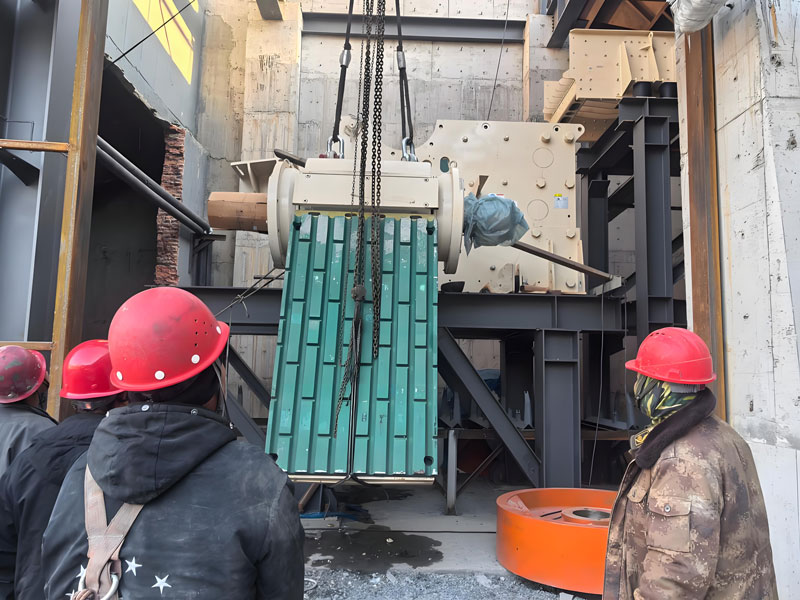
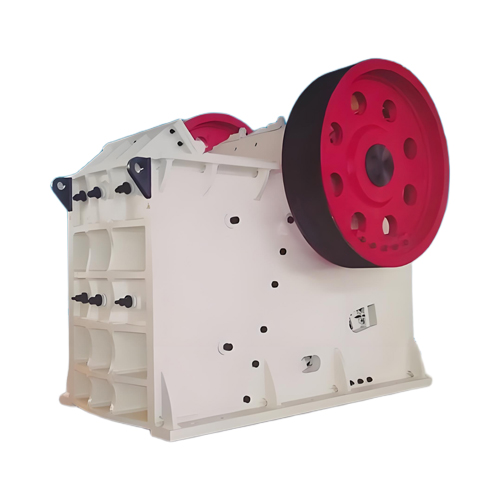
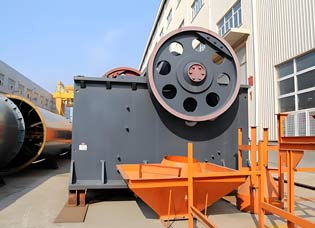
● Use jaw crushers, impact crushers and other equipment to crush large pieces of spodumene (usually >500mm) to a fineness of 15~30mm in preparation for grinding.
2. Grinding stage
● Select equipment according to fineness requirements:
○ Coarse powder processing: use Raymond mill (such as Guikuang GK series);
○ Fine powder processing: choose LM vertical roller mill (such as GKLM vertical mill);
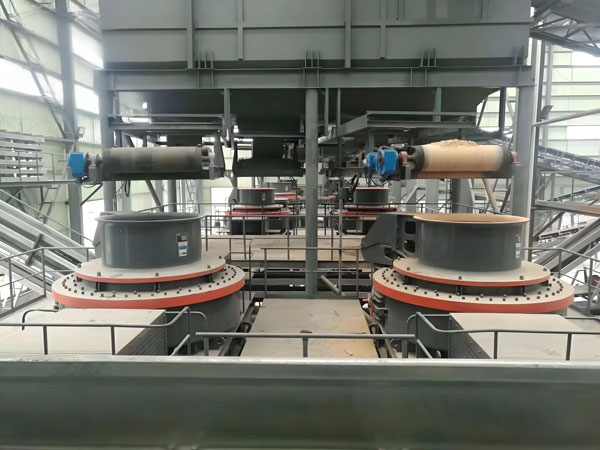
○ Ultrafine powder processing: Use ultrafine vertical mill or ring roller micro powder mill, ultrafine ball mill, etc.
Related Products
Inquiry
Please leave us your requirements, we will contact you soon.